
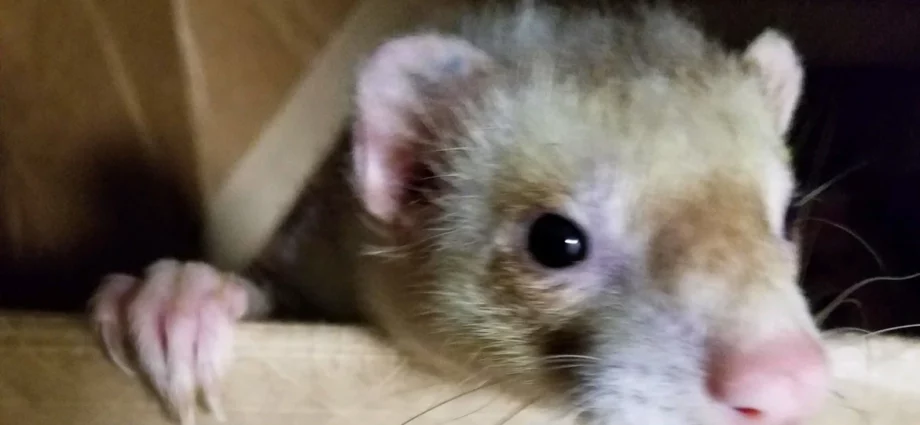
A dog might bring you a ball. A cat might claim your favorite chair. A ferret might disappear beneath the sofa with something you didn’t realize was missing.
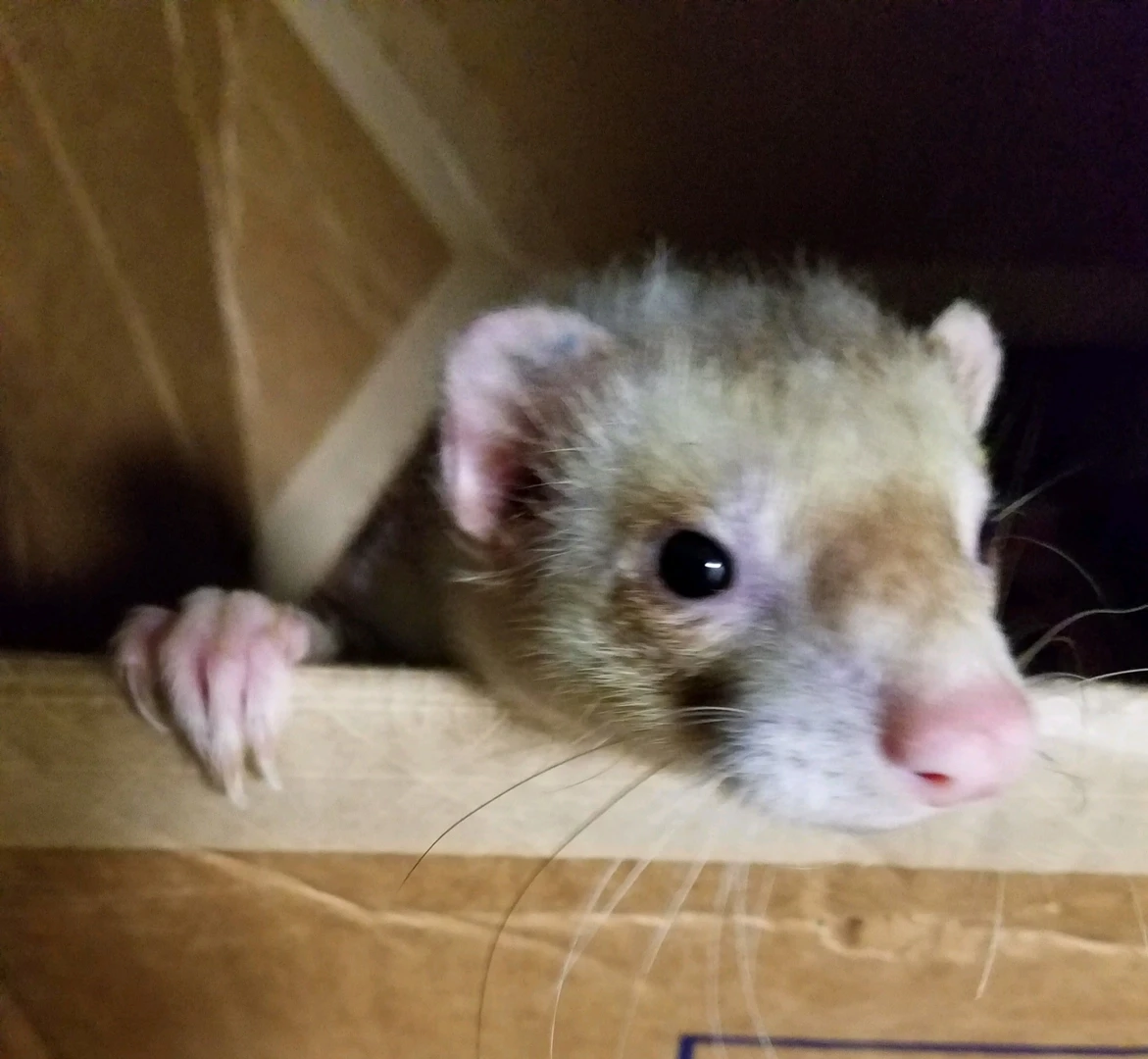

Welcome to life with a tiny, furry troublemaker.
Ferrets combine curiosity, playful energy, and an impressive determination to investigate whatever you are doing. They can turn a cardboard box into an adventure and a quiet afternoon into a search for the missing slipper.
But what makes them such entertaining companions—and what should you consider before inviting one into your home?
Why Are Ferrets So Feisty?
Much of a ferret’s charm comes from its natural desire to explore. Domestic ferrets belong to the weasel family and were historically used to pursue animals through burrows. Their long, slender bodies and inquisitive nature make tunnels and hidden spaces especially interesting.
That helps explain why your ferret wants to know what is behind the cabinet, inside the box, and underneath the blanket.
“Feisty” doesn’t have to mean unfriendly. With a well-socialized ferret, it often means lively, persistent, and ready to turn an ordinary object into a game.
Unfortunately, your ferret’s enthusiasm does not include an understanding of electrical cords or expensive upholstery. You provide the boundaries; your ferret provides the entertainment.
They Have a Wonderful Sense of Play
Watch an excited ferret bounce sideways, twist around, and dash into a tunnel, and you may wonder whether its feet received the same instructions as the rest of its body.
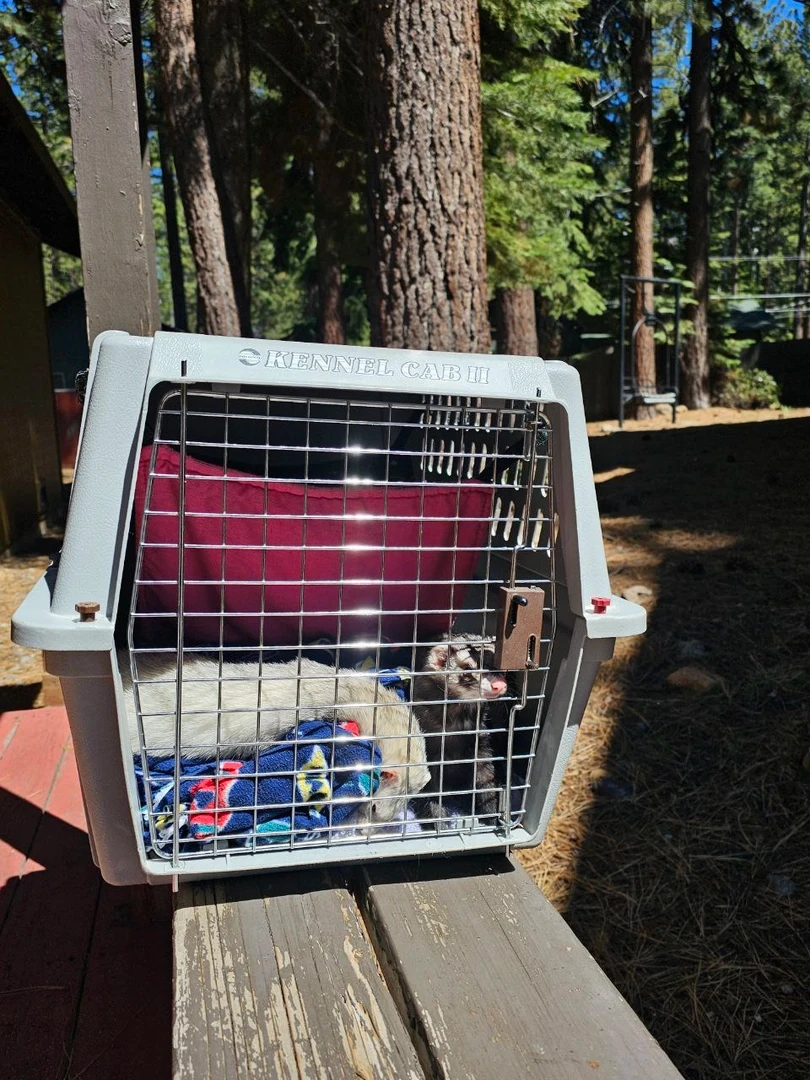
Their playful antics can look wonderfully ridiculous. Better yet, many ferrets want you involved. Sit on the floor beside a box maze or gently move the edge of a blanket, and you may become part of the afternoon’s entertainment.
Ferrets need opportunities to explore, hide, dig, and play—not simply a collection of toys left in their enclosure. Safe play spaces and regular interaction help meet those needs.
Your Belongings May Become Their Belongings
Ferrets have a reputation for carrying objects away and storing them in favorite hiding places. Even their name reflects this habit: “ferret” comes from a Latin word meaning “little thief.”
To you, it is a household item. To your ferret, it may be a valuable acquisition that belongs behind the dresser.
Give them safe toys to collect, and keep keys, rubber objects, and anything chewable or swallowable out of reach. The treasure hunt is much more enjoyable when you know the treasure is safe.
What Makes Ferrets Different From Other Pets?
Dogs, cats, rabbits, and other companions can also be curious, affectionate, and playful. Ferrets don’t have exclusive ownership of those qualities.
What feels distinctive is the combination.
They bring a burrowing animal’s interest in tunnels, a collector’s urge to stash objects, and a lively style of play into one small companion. Living with a ferret often means getting down to floor level and seeing your home as a network of possible adventures.
They also have individual personalities. One may investigate every visitor, while another takes time to feel comfortable. Some enjoy being held; others would prefer a brief greeting before returning to important tunnel business.
Choose the individual animal, rather than expecting every ferret to behave like a funny video.
They Take Napping Seriously
A sleeping ferret can look like a creature with absolutely no appointments.

Ferrets spend a substantial part of their day asleep or resting—sometimes up to 20 hours. But those long naps do not make them low-maintenance pets. Their waking hours still need exercise, enrichment, companionship, and supervision.
Think of the naps as recharging time for the next inspection of your living room.
What Matters Most When Choosing a Ferret?
The funny moments are easy to imagine. A good match also depends on whether the daily care fits your household.
1. Can You Make Time for Daily Interaction?
A ferret needs more than feeding and a clean enclosure. Consider whether you can provide regular supervised activity and patient handling.
Your pet will not understand that you bought a wonderful tunnel but are too busy to participate in its opening ceremony.
2. Can You Create a Safe Play Area?
Ferret-proofing means thinking about small openings, escape routes, furniture interiors, and objects that could be swallowed.

UC Davis advises blocking inaccessible spaces and preventing access to the foam inside furniture. Reclining furniture is particularly hazardous. Soft rubber toys are also unsuitable because pieces may be swallowed.
A ferret’s small size makes some hazards easy to overlook. Inspect the room from its perspective before play begins.
3. Are You Comfortable With Their Scent and Cleaning Needs?
Spend time around ferrets before committing. Their natural scent, bedding, and toilet routine are part of the experience, just as fur and litter boxes are part of living with many other pets.
A visit to a rescue can give you a more realistic introduction than a few minutes admiring a sleeping kit.
4. Can You Budget for Veterinary Care?
Find a veterinarian who treats ferrets before bringing one home, and identify an emergency clinic that will see them.
Budget for routine examinations, appropriate vaccinations, and unexpected illness. The purchase or adoption fee is only the beginning of the commitment. The American Ferret Association recommends regular veterinary checkups and vaccinations as part of preventive care.
5. Are You Ready for Their Dietary Needs?
Ferrets need an appropriate meat-based diet. They are not pets to feed a little of whatever happens to be on your plate.
Ask a ferret-experienced veterinarian to help you choose a suitable complete diet. Good nutrition belongs on the essentials list alongside safe housing and veterinary care.
6. Would a Compatible Companion Be Appropriate?
Ferrets are social, and many benefit from living with compatible ferrets. The RSPCA recommends planning for more than one. Introductions, personalities, space, and health still matter; two unfamiliar animals should not simply be placed together and expected to become friends.
If you are considering adoption, ask about an established bonded pair.
7. Do Their Temperament and History Fit Your Household?
Ask about handling, nipping, health history, and experience with people. Meet the ferret while it is awake.
An adult ferret can be a wonderful choice because you can learn about its established personality. Consider everyone in the household, including children and other animals, when assessing the match.
8. Are Ferrets Legal Where You Live?
Check state and local rules, along with rental restrictions, before adopting or buying. For example, California prohibits keeping ferrets as ordinary household pets.
Is a Ferret Your Kind of Companion?
A ferret may suit you beautifully if you enjoy interactive pets, can laugh at harmless mischief, and are willing to make your home safe for a determined explorer.
If you want a pet that stays neatly where you put it, leaves your belongings alone, and requires little supervision, the match may be less comfortable.
For the right person, though, a ferret makes everyday life wonderfully entertaining. A box becomes a clubhouse. A tunnel becomes a racetrack. Sitting on the floor becomes an invitation to play.
And if a favorite toy goes missing, your ferret probably knows exactly where it is.