
As an affiliate, I may earn from qualifying purchases.
If you’ve never lived with a ferret, it’s difficult to explain just how much personality can fit into such a small animal.
Ferrets are curious, playful, intelligent and frequently hilarious. They can race through the house one minute, disappear into a box or blanket the next, and then curl up and sleep as though they’ve done absolutely nothing all day.
But are ferrets really good pets?
For the right person, absolutely. Ferrets can be wonderful companions. They’re also very different from cats and dogs, and prospective owners should understand what living with them is really like before bringing one home.
Ferrets Love to Play
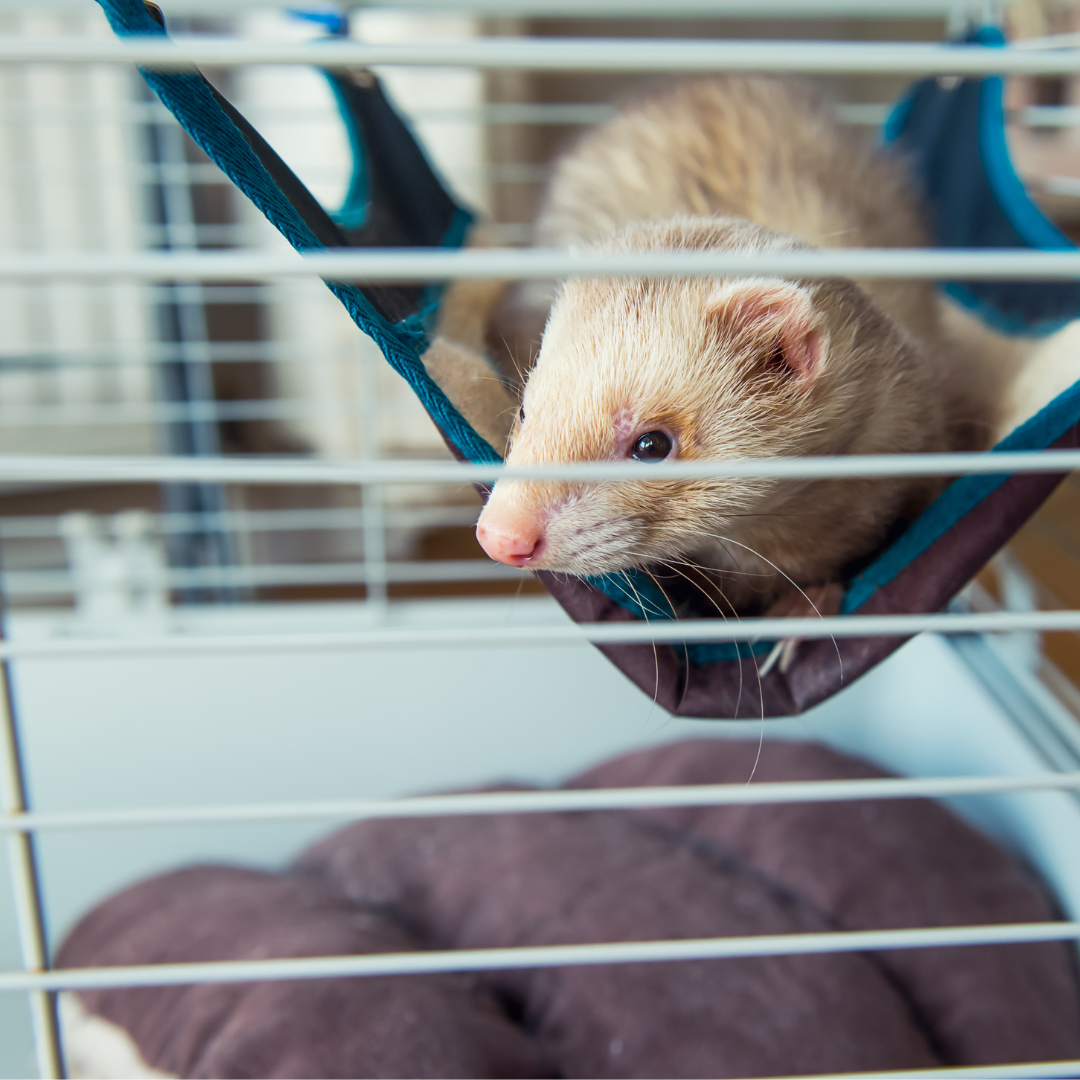
Play is one of the best parts of living with ferrets.
A happy ferret may bounce sideways, leap into the air, twist around and race across the room. Ferret owners commonly call this enthusiastic behavior the “weasel war dance.”
They aren’t necessarily angry or frightened. Quite often, they’re simply having a wonderful time.
Tunnels are especially popular. So are cardboard boxes, blankets, crinkly toys and anything that can be investigated, climbed through or hidden inside.
You don’t necessarily need expensive toys, either. Sometimes the box the toy arrived in turns out to be more exciting than the toy itself.
Every Ferret Has a Different Personality
One of the things that surprises new owners is how different individual ferrets can be.
You might have one that wants to follow you everywhere and another that is determined to explore independently.
One may love being held. Another may tolerate cuddling for approximately ten seconds before deciding there are more important things to investigate.
Some are fearless. Some are cautious. Some are thieves.
And yes, stealing and hiding objects is something ferrets are famous for.
Keys, socks, toys and other small objects may mysteriously disappear. Eventually you may discover your ferret’s secret hiding place containing an impressive collection of things you thought you had lost.
Getting to know these individual quirks is one of the great pleasures of owning ferrets.
Ferrets Can Become Very Attached to Their People
Although ferrets have a reputation for being independent and mischievous, they can also develop strong relationships with their owners.
They learn routines, recognize familiar people and often seek out their humans for play and attention.
Many become more affectionate as they mature. An energetic youngster who has little interest in sitting still may eventually become a ferret who happily falls asleep beside you or curls up in your lap.
If you have more than one ferret, you’ll also get to watch the relationships they form with each other. Ferrets frequently sleep together in a pile, wrestle, chase each other and explore together.
Are Ferrets Easy Pets?
This is where prospective owners sometimes get the wrong impression.
Ferrets are small, but small does not mean low-maintenance.
They need time outside their cage every day for exercise, play and interaction. Their living areas and litter boxes require regular cleaning, and your home needs to be carefully ferret-proofed.
Ferrets are remarkably good at finding openings you didn’t know existed.
A reclining chair, small hole behind a cabinet, opening beneath an appliance or loose piece of furniture can potentially become dangerous.
A good rule for ferret owners is:
If you’re wondering whether your ferret can get into something, assume the answer is yes.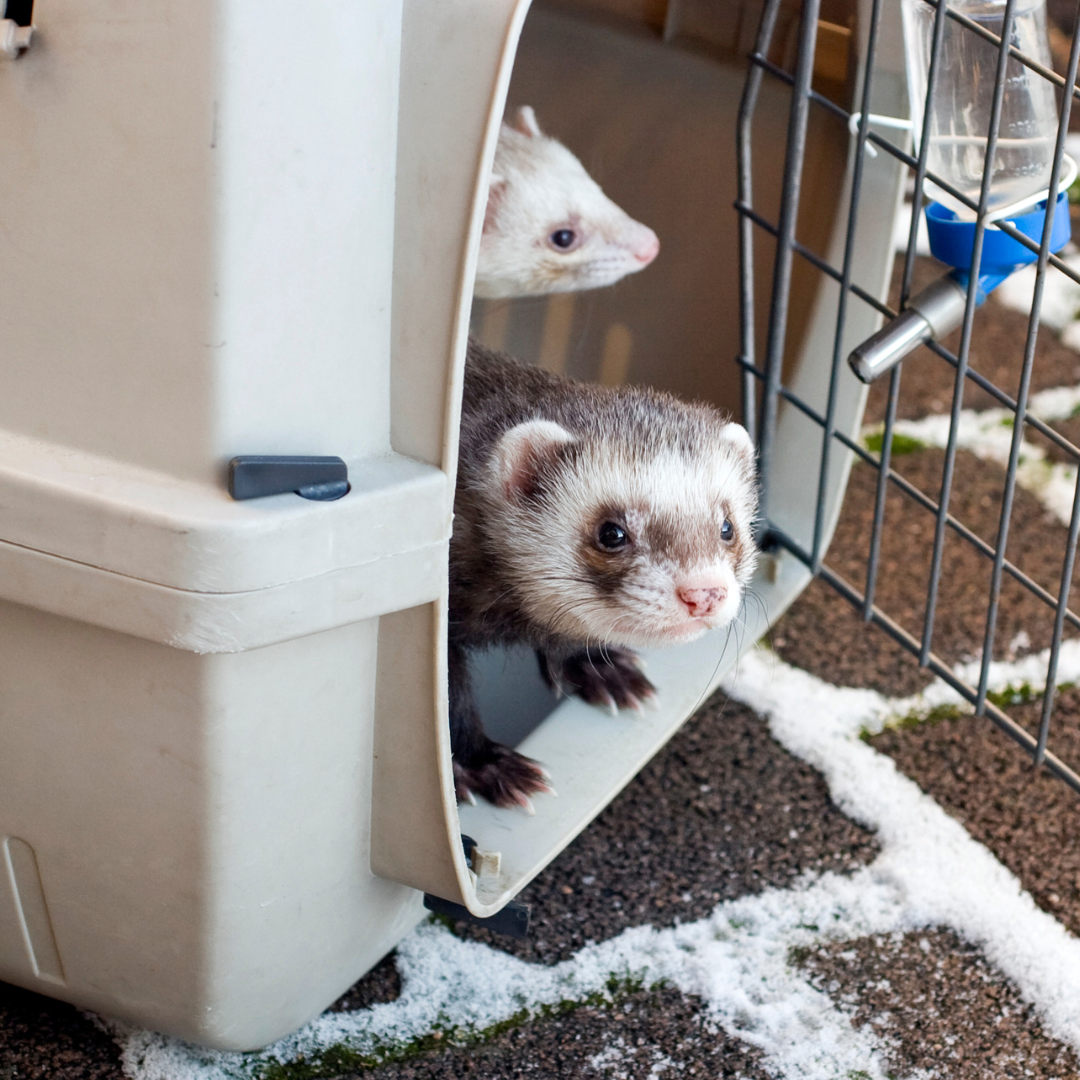
What About Litter Training?
Ferrets can certainly learn to use litter boxes or pads, but expectations should be realistic.
Most aren’t as consistent about it as cats.
Ferrets naturally tend to back into corners when they need to go, so placing litter boxes or pads in their preferred corners can make training much easier.
Even a well-trained ferret may occasionally decide that a different corner looks perfectly acceptable.
It’s simply part of living with ferrets.
Feeding Ferrets Is Different From Feeding Dogs
Ferrets are obligate carnivores. Their bodies are designed for a diet based primarily on animal protein and fat.
A quality diet is therefore extremely important.
Look for an appropriate ferret food containing substantial animal-based protein and adequate fat while avoiding unnecessary amounts of carbohydrates and plant ingredients.
Don’t assume that something is safe simply because your ferret wants to eat it. Ferrets can be very interested in foods that aren’t appropriate for them.
Ferrets Sleep—a Lot
After seeing a ferret racing through a tunnel at full speed, you might be surprised by what happens next.
They go to sleep.
And they can sleep for a surprisingly large portion of the day.
It’s normal for ferrets to alternate periods of intense activity with long periods of sleep. Give them comfortable hammocks, blankets or sleeping areas where they can burrow and feel secure.
And don’t be surprised if you find several ferrets sleeping on top of one another.
Ferrets Have Their Own Special Kind of Mischief
Living with ferrets requires a sense of humor.
You may straighten their blankets.
They will rearrange them.
You may carefully place their toys in a basket.
They will remove them.
You may buy an expensive ferret bed.
They may decide they’d rather sleep inside an old sweatshirt.
And just when you think you’ve completely ferret-proofed a room, someone will discover an opening you somehow missed.
That’s part of their charm.
Ferrets Need Specialized Veterinary Care
Before getting a ferret, find out whether there is a veterinarian in your area who is experienced in treating them.
This is important because not every veterinary practice treats ferrets.
Ferrets need appropriate preventive care and vaccinations, and they can develop medical conditions that require veterinary treatment as they get older.
It’s also wise to have money set aside for unexpected veterinary expenses. A sick ferret can require diagnostic testing, medication, surgery or specialized treatment.
Is a Ferret the Right Pet for You?
A ferret might be a wonderful choice if you:
- Enjoy active and interactive pets
- Have time to play with your pet every day
- Don’t mind some mess and mischief
- Are willing to ferret-proof your home
- Can provide an appropriate carnivore diet
- Have access to a veterinarian who treats ferrets
- Want a pet with a big personality in a small package
A ferret may not be the best choice if you want a pet that can spend most of its life quietly in a cage or requires very little supervision.
Ferrets need interaction, stimulation, exercise and companionship.
The Joy of Living With Ferrets
Ask longtime ferret owners what they love about ferrets and you’ll probably hear a lot of different answers.
It’s the curiosity.
The ridiculous sleeping positions.
The little sideways dances.
The tunnel races.
The stolen socks.
The way several ferrets somehow manage to squeeze themselves into one tiny sleeping spot.
And ultimately, it’s their personalities.
Ferrets aren’t the right pets for everyone. But for people who enjoy their energy, intelligence and mischievous nature, they can become unforgettable companions.
Life with ferrets is rarely boring—and that’s one of the best things about them.
Updated August 2026. This article is intended as general information about ferret ownership. Veterinary and nutritional questions concerning an individual ferret should be discussed with a veterinarian experienced in ferret care.