As an affiliate, I may earn from qualifying purchases.
Tiny paws, enormous personality.
That’s probably one of the best ways to describe a ferret.
Ferrets are curious, intelligent, affectionate, mischievous and sometimes completely ridiculous. One minute your ferret is bouncing sideways across the room, and the next you’re searching for your missing sock—only to discover it tucked away in your ferret’s secret collection.
Ferrets aren’t the perfect pet for everyone. They require proper care, plenty of attention and a home that’s been thoroughly ferret-proofed.
But for those of us who love them, there’s really nothing quite like sharing a home with a ferret.
Here are 10 reasons ferrets make such amazing pets.
1. Ferrets Know How to Have Fun
Nobody has to teach a ferret how to enjoy life.
Give a ferret a tunnel, cardboard box, blanket or paper bag and somehow it becomes the greatest thing that has ever happened.
An excited ferret may leap into the air, bounce sideways and twist its body around in what ferret owners affectionately call the weasel war dance.
It can look completely chaotic.
That’s because it is.
And that’s half the fun.
2. Every Ferret Has a Completely Different Personality
Spend time with several ferrets and you’ll quickly discover that they’re definitely not interchangeable little furballs.
One may be an adventurer.
Another may be a cuddler.
One might follow you from room to room.
Another might spend most of the afternoon attempting to steal everything you own.
Some are bold and fearless, while others are more cautious. Some love being held, while others have far too many important ferret activities scheduled to sit still.
Learning each ferret’s personality is one of the most rewarding parts of owning them.
3. They’re Professional Thieves
Have you lost your keys?
Check with the ferret.
Missing a sock?
Check with the ferret.
Can’t find the TV remote?
You get the idea.
Many ferrets have an instinctive desire to carry objects away and stash them in a favorite hiding place.
Eventually, most ferret owners discover The Stash.
It might be behind a couch, under a bed or inside some mysterious corner you didn’t realize your ferret could access.
Inside you may find toys, socks, slippers and various household possessions you thought had vanished forever.
Think of it as your ferret’s personal treasure collection.
4. Ferrets Can Be Surprisingly Affectionate
Ferrets are famous for their energy, but there’s another side to them.
They can become very attached to their people.
Some ferrets enjoy following their owners around the house, climbing onto them or curling up nearby.
Young ferrets may be far too busy exploring the world to spend much time cuddling, but many become calmer and more affectionate as they mature.
And there’s something particularly sweet about an exhausted ferret finally deciding that your lap is the perfect place for a nap.
5. They Don’t Need to Go for Walks
This is one area where ferrets can fit nicely into certain lifestyles.
Unlike a dog, your ferret doesn’t need you to head outside for a walk several times every day.
Ferrets can get their exercise indoors.
But don’t confuse that with not needing exercise.
Ferrets need several hours of safe, supervised time outside their cage every day to run, investigate, play and interact with you.
A cage should be their safe home base—not their entire world.
6. Ferrets Can Do Well in Smaller Homes
You don’t need a huge house or backyard to give ferrets an interesting life.
A properly set-up apartment or smaller home can work very well.
What’s more important is creating safe space for exploration and play.
Tunnels, boxes, blankets, hammocks and toys can provide plenty of entertainment without taking over your entire house.
Well…
At least that’s the plan.
The ferrets may have other ideas.
7. Ferrets Are Smart
Don’t underestimate that little face.
Ferrets are intelligent and remarkably good problem solvers—particularly when the “problem” involves getting somewhere you’ve decided they’re not supposed to go.
Many ferrets can learn:
- Their names
- Household routines
- Where treats are kept
- How to use litter boxes or pads
- Simple tricks
- How to come for a favorite sound or treat
Unfortunately, they are also capable of learning how to open things.
Ferret intelligence can therefore be both impressive and slightly inconvenient.
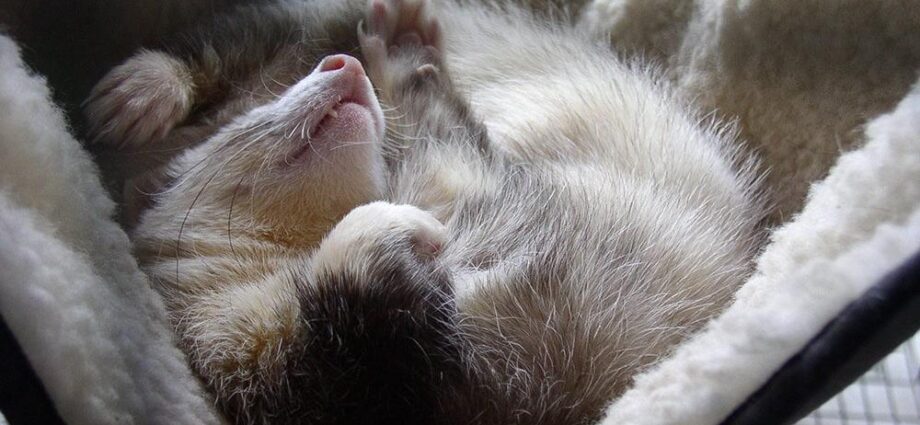
8. Ferrets Are Champion Sleepers
After all that running, bouncing and investigating, ferrets take sleeping very seriously.
They can sleep for a large part of the day, often burrowed into hammocks, blankets or beds.
If you have several ferrets, don’t be surprised to find everyone piled together in one sleeping spot—even when there are several perfectly good empty beds nearby.
Apparently, ferret logic says:
Why use four beds when all four ferrets can fit into one?
Watching a group of ferrets sleeping in a pile is almost as entertaining as watching them play.
9. Ferrets Make Ordinary Things Interesting
A cardboard box isn’t just a box.
It’s a fortress.
A blanket isn’t just a blanket.
It’s an underground tunnel system.
A laundry basket is an amusement park.
A shopping bag is a cave.
And apparently, the space underneath your furniture is unexplored territory that must be investigated immediately.
Ferrets have an extraordinary ability to turn ordinary household objects into adventures.
Sometimes watching them reminds you how entertaining simple things can be.
10. Life With Ferrets Is Never Quite Predictable
This may be the biggest reason ferret lovers adore them.
They make you laugh.
They surprise you.
They occasionally frustrate you.
They steal your belongings.
They rearrange the things you’ve carefully organized.
And then they fall asleep looking completely innocent.
Ferrets bring an unusual combination of intelligence, affection, curiosity and chaos into a home.
Once you’ve lived with them, it’s easy to understand why people become devoted ferret owners.
But Are Ferrets Easy Pets?
Here’s the part every prospective owner should understand:
Ferrets are wonderful pets, but they aren’t necessarily low-maintenance pets.
They require:
- Daily exercise and interaction
- A thoroughly ferret-proofed environment
- Regular cage and litter-box cleaning
- Proper nutrition for an obligate carnivore
- Nail trimming and basic grooming
- Appropriate vaccinations and preventive veterinary care
- Access to a veterinarian experienced with ferrets
- Money set aside for unexpected veterinary expenses
Ferrets can also develop significant health problems as they age, so prospective owners should consider veterinary costs before bringing one home.
They’re small animals with some fairly big responsibilities.
Are Ferrets the Right Pets for You?
If you’re looking for a pet that will quietly sit in a cage and require very little attention, a ferret probably isn’t the best choice.
But if you want an intelligent, interactive little companion and you’re willing to put time into caring for one properly, ferrets can be incredibly rewarding pets.
They’re funny.
They’re affectionate.
They’re curious.
They’re mischievous.
And they’re endlessly entertaining.
Most of all, every ferret seems to find its own unique way of becoming part of the family.
Welcome to Life With Ferrets
There’s something special about sharing your home with these little animals.
Eventually you stop wondering why your socks are disappearing.
You learn to check blankets before sitting down.
You accept that a cardboard box can apparently be more exciting than an expensive toy.
And you’ll probably find yourself explaining to visitors why there’s a tunnel running across your living-room floor.
That’s life with ferrets.
It’s a little messy, frequently funny and rarely boring—and we wouldn’t have it any other way.
More Ferret Care Guides
New to ferrets? Continue exploring our ferret care guides:
- 10 Tips for First-Time Ferret Owners
- Choosing the Best Food for Your Ferret
- Creating a Safe and Comfortable Ferret Habitat
- Ferret Toys and Enrichment Ideas
- Common Ferret Health Problems
Updated August 2026. This article is intended for general educational purposes. Health, vaccination and dietary questions concerning an individual ferret should be discussed with a veterinarian experienced in ferret care.